
PDFカタログのご案内
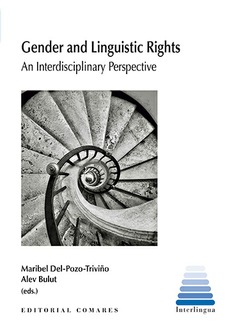
Gender and linguistic rights: An Interdisciplinary Prespective ∥ Pozo Triviño, Maribel del & Bulut, Aley(eds.)
-----------------------------------
ISBN13: 9788413699356
-----------------------------------
サイズ: 17 x 24 x 1.1 cm
-----------------------------------
頁 数: 148 pgs.
-----------------------------------
装 丁: paper cover
-----------------------------------
出版社: Comares
-----------------------------------
発行年: 2025
-----------------------------------
発行地: Granada
-----------------------------------
双書名: Interlingua,
本書はジェンダーと語彙・文法・談話といった言語現象、さらに言語権をめぐる社会的・政治的議論を横断的に検討する語学研究書です。言語が社会的不平等や権力構造とどのように結びつき、特定の集団の権利や表象に影響を与えるのかを、社会言語学・法言語学・ジェンダー研究・人権研究など複数の学問領域を組み合わせて分析しています。著者たちはインクルーシブ言語、ジェンダー化された語彙、制度的文書における言語使用、教育現場での言語政策、マイノリティ言語話者の権利など、具体的な事例を通して言語権の概念を再検討し、ジェンダー視点が言語政策や社会的包摂にどのような影響を与えるかを明らかにします。また、国際的な法制度や社会運動との関連にも触れ、言語が社会正義の実現に果たし得る役割を多角的に提示しています。言語と権利の問題を深く理解するための重要な研究成果です。
[対象地域、研究分野]
スペイン語圏/社会言語学・ジェンダーと言語研究・言語政策研究・法言語学を対象とし、社会言語学研究者・ジェンダー研究者・言語権研究者を対象としています。
Description:
This pioneering book explores the intricate relationship between gender and linguistic rights, shedding light on how language access and gender identity intersect in powerful and often overlooked ways. Linguistic rights-the right to speak one´s language, engage in social and cultural life, and receive information in a language one understands-are deeply entwined with the realities of migrant and deaf women, who often face systemic barriers rooted in both language and gender discrimination.
The decade-long academic collaboration between two translation and interpreting women scholars from the Universities of Vigo and Istanbul, bestows a unique and practice-informed lens to the study of language, gender, and human rights. Their shared expertise in applied linguistics, intercultural communication, and gender studies has helped them collate interdisciplinary research contributions that reveal the strong impact of access to one´s own language in diverse settings-from legal and technical discourse to literature, public services, and sign language interpreting, which is crucial for ensuring communication rights in deaf communities, especially deaf women.
This book focuses on translation and interpreting as empowerment instruments and highlights how these practices can foster inclusion, challenge linguistic discrimination, and guarantee human rights. Scholars, students, and professionals in gender studies, sociolinguistics, translation and interpreting, human rights, and intercultural communication would greatly benefit from the findings in this book since it offers fresh insights into the social responsibilities of language professionals and the critical role of translation and interpreting in ensuring equity and human rights.
-
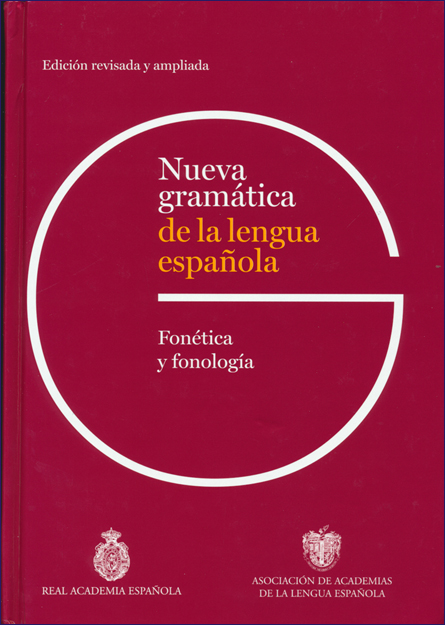
RAE(スペイン王立アカデミー)とASALE(スペイン語アカデミー協会)が共同編集した改定新版「アカデミア最新スペイン語文法」シリーズ(既刊3巻)。2025年10月に刊行された本書は、その第4巻(最終巻)です。 2011年版の 555頁から 新版は 700頁余と大幅に改訂増補 !!
※ スペイン語の音声を体系的に理解するための資料として、研究者、教育関係者、上級学習者に不可欠であり、大学図書館・研究室にも必須の一冊です。
※ 大幅な改訂と更新: 旧版以降に進んだ最新の研究成果、特に言語の「バリエーション」に関する知見を全面的に反映。技術の進歩を活用し、内容の理解を助けるための工夫が凝らされています。
※ 具体的な革新点: 知覚音声学への配慮、第1章の全面的な書き直し、イントネーションを扱う第10章の大幅な改訂、QRコードによる発音サンプルの導入、補足的な参考文献の追加など。- Nueva gramática de la lengua española: Fonética y fonologia ∥ R.A.E.
- ¥17,380
-

※ スペイン王立アカデミーとASALE(スペイン語アカデミー協会)が共同編纂した、スペイン語の語彙の歴史を包括的に記録する辞書。語源・形態・意味の変化を詳細に解説しています。
※ DHLE(スペイン語歴史辞典)プロジェクトは現代のデジタル技術と国際的な共同作業体制を駆使して進行中の画期的な取り組み。
※ 10巻本・合計2万ページ超となる今回の紙書籍版(印刷版)は本プロジェクトの記念碑的な出版物。図書館・研究室の重要資料として長期保存の価値が高い文献になります。今後の更新はデジタル版に移行する見込みで、今回の書籍版は将来入手困難になることが予想されます。
※ 全10巻のうち、第1~3巻は現在では入手困難な1960年~1996年版(a-apasanca、b-bajoca)の復刻版です。過去の貴重な学術的成果であり、一次史料としての価値が高いものです。
※ 第4~10巻は2005年以降に進められたデジタル版DHLEから代表的な項目を抜粋して構成。
収録内容はスペイン語語彙史研究の最新成果を反映し厳選されています。- Diccionario histórico de la lengua española. in 10 vols. ∥ R.A.E.
- ¥175,780
-
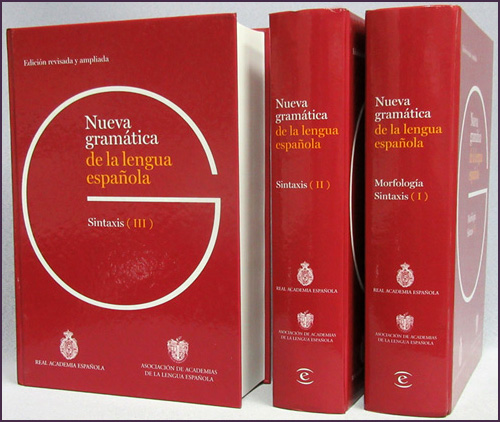
好評発売中!!
第2版 増補改訂版3巻本 「アカデミア最新スペイン語文法」。2009年に2巻本として出版されてから16年、さらに広く深く、スペイン語圏全体のスペイン語を総合的に扱うスペイン語文法書の決定版です!
本書はスペイン王立アカデミー(RAE)とASALE が共同で編纂した最新のスペイン語文法を、より精緻に再構成した改訂増補版であり、形態論から統語論に至るまで、スペイン語の構造を体系的かつ包括的に示す研究書です。従来版よりも内容説明が充実し、分析の明確化、現象の地理的・社会的分布に関する情報の拡充、さらに学習者・研究者双方に配慮した丁寧な解説が加えられています。全3巻・約5000頁に及ぶ大部の構成は、汎ヒスパニック的視点を重視し、スペイン語圏全体の多様性を踏まえた記述を特徴としています。記述文法と規範文法の両面を兼ね備え、学術研究・高度教育機関において必携の基礎資料となる一冊です。- Nueva gramática de la lengua española - Edicion revisada y ampliada in 3 vols. ∥ Real Academia Española
- ¥52,140