
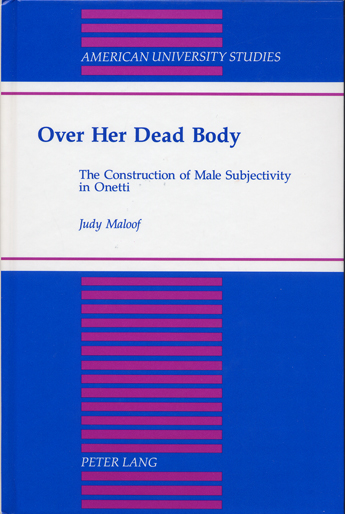
Over Her Dead Body: The Construction of Male Subjectivity in Onetti ∥ Maloof, Judy
-----------------------------------
ISBN13: 9780820424507
-----------------------------------
サイズ: 15.5 x 23.5 x 1.9 cm
-----------------------------------
頁 数: 188 pgs.
-----------------------------------
装 丁: hard cover
-----------------------------------
出版社: Peter Lang
-----------------------------------
発行年: 1995
-----------------------------------
発行地: Bern
-----------------------------------
双書名: A.U.S.22: Latin American Studies, 24
追加情報: ※ 詳細PDFリンク
本書は、ウルグアイの作家フアン・カルロス・オネッティ(Juan Carlos Onetti)の小説を、男性主体の構築という観点から論じた研究書『彼女の亡骸の上に』(Over Her Dead Body)です。著者はジュディ・マルーフ(Judy Maloof)です。オネッティは現代ラテンアメリカ小説の発展における中心的存在として広く認められています。本書は、その作品を単行本の分量で扱った初のフェミニズム的読解であり、ジェンダー、主体性、語り、精神分析の関連研究を活用します。著者は、オネッティの小説では男性の語る主体が、女性の不在や死を土台に構築されることが多いと論じます。あわせて、男性主人公たちとその危機、1930年代から60年代にかけてのウルグアイの社会・歴史的文脈との複雑な関係も検討します。各章は、『井戸』におけるアナ・マリアの死とエラディオ・リナセーロの男性的幻想、『束の間の人生』における娼婦の死と男性の作者性、『名もなき墓のために』における男性の語りとリタの物語の横領、『造船所』における欲望の放棄と主体の解体を取り上げます。書籍の言語:英語 (SBC: 126924)
[対象地域、年代、研究分野]
対象地域はウルグアイ(ラプラタ河流域を含むラテンアメリカ)、年代は1930年代から1960年代のウルグアイの社会・歴史的状況と、その時代に書かれたオネッティの小説、研究分野は現代ラテンアメリカ小説、オネッティ研究、フェミニズム批評・ジェンダー研究、精神分析批評、語り(ナラティブ)論です。ラテンアメリカ文学やウルグアイ文学を研究する文学研究者、およびジェンダー論・精神分析批評・物語論を専門とする人文学者、20世紀ラテンアメリカの社会史・文化史を研究する歴史学者を対象としています。
※ タイトルページ、目次、プロローグなどは「追加情報」のPDFをご参照下さい。
Description:
Juan Carlos Onetti is a Uruguayan novelist whose central importance to the development of the contemporary Latin American novel has been widely recog- nized. Unlike previous analyses, this ground-breaking study constitutes the first book-length feminist reading of Onetti’s novels. It utilizes relevant scholarly work on gender, subjectivity, narrative, and certain elements of psychoanalysis. Fr. Maloof argues that in Onetti’s fiction, the construction of the male narrative subject is usually founded on the absence or death of a woman. This study also examines the complex relationship between Onetti’s male protagonists, their crises, and the Uruguayan socio-historical context between the 1930s and 1960s.
TABLE OF CONTENTS:
Chapter I. Introduction: Toward a Feminist Reading of Onetti’s Male Subject......1
Chapter II. El pozo: Ana Maria’s Death and Eladio Linacero’s Male Fantasies......25
Chapter III. La vida breve: The Death of a Prostitute and Male Authorship in La vida breve......57
Chapter IV. Para una tumba sin nombre: Male Storytelling and the Appropriation of Rita’s Story......93
Chapter V. El astillero: The Renunciation of Desire and the Dissolution of the Subject......125
Chapter VI. Conclusion......171
Works Cited......179
-
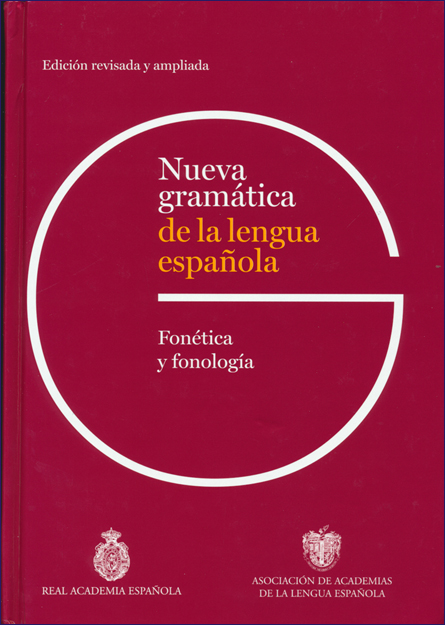
RAE(スペイン王立アカデミー)とASALE(スペイン語アカデミー協会)が共同編集した改定新版「アカデミア最新スペイン語文法」シリーズ(既刊3巻)。2025年10月に刊行された本書は、その第4巻(最終巻)です。 2011年版の 555頁から 新版は 700頁余と大幅に改訂増補 !!
※ スペイン語の音声を体系的に理解するための資料として、研究者、教育関係者、上級学習者に不可欠であり、大学図書館・研究室にも必須の一冊です。
※ 大幅な改訂と更新: 旧版以降に進んだ最新の研究成果、特に言語の「バリエーション」に関する知見を全面的に反映。技術の進歩を活用し、内容の理解を助けるための工夫が凝らされています。
※ 具体的な革新点: 知覚音声学への配慮、第1章の全面的な書き直し、イントネーションを扱う第10章の大幅な改訂、QRコードによる発音サンプルの導入、補足的な参考文献の追加など。- Nueva gramática de la lengua española: Fonética y fonologia ∥ R.A.E.
- ¥17,380
-

※ スペイン王立アカデミーとASALE(スペイン語アカデミー協会)が共同編纂した、スペイン語の語彙の歴史を包括的に記録する辞書。語源・形態・意味の変化を詳細に解説しています。
※ DHLE(スペイン語歴史辞典)プロジェクトは現代のデジタル技術と国際的な共同作業体制を駆使して進行中の画期的な取り組み。
※ 10巻本・合計2万ページ超となる今回の紙書籍版(印刷版)は本プロジェクトの記念碑的な出版物。図書館・研究室の重要資料として長期保存の価値が高い文献になります。今後の更新はデジタル版に移行する見込みで、今回の書籍版は将来入手困難になることが予想されます。
※ 全10巻のうち、第1~3巻は現在では入手困難な1960年~1996年版(a-apasanca、b-bajoca)の復刻版です。過去の貴重な学術的成果であり、一次史料としての価値が高いものです。
※ 第4~10巻は2005年以降に進められたデジタル版DHLEから代表的な項目を抜粋して構成。
収録内容はスペイン語語彙史研究の最新成果を反映し厳選されています。- Diccionario histórico de la lengua española. in 10 vols. ∥ R.A.E.
- ¥178,200
-
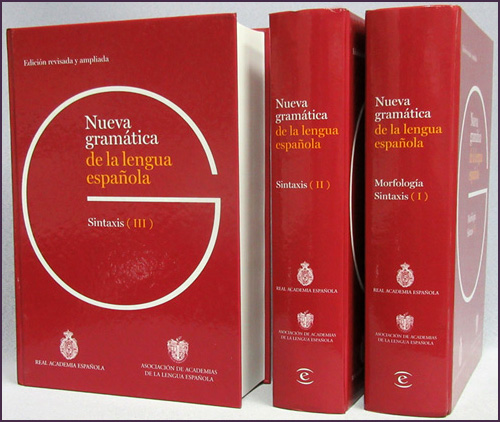
好評発売中!!
第2版 増補改訂版3巻本 「アカデミア最新スペイン語文法」。2009年に2巻本として出版されてから16年、さらに広く深く、スペイン語圏全体のスペイン語を総合的に扱うスペイン語文法書の決定版です!
本書はスペイン王立アカデミー(RAE)とASALE が共同で編纂した最新のスペイン語文法を、より精緻に再構成した改訂増補版であり、形態論から統語論に至るまで、スペイン語の構造を体系的かつ包括的に示す研究書です。従来版よりも内容説明が充実し、分析の明確化、現象の地理的・社会的分布に関する情報の拡充、さらに学習者・研究者双方に配慮した丁寧な解説が加えられています。全3巻・約5000頁に及ぶ大部の構成は、汎ヒスパニック的視点を重視し、スペイン語圏全体の多様性を踏まえた記述を特徴としています。記述文法と規範文法の両面を兼ね備え、学術研究・高度教育機関において必携の基礎資料となる一冊です。- Nueva gramática de la lengua española - Edicion revisada y ampliada in 3 vols. ∥ Real Academia Española
- ¥52,140