
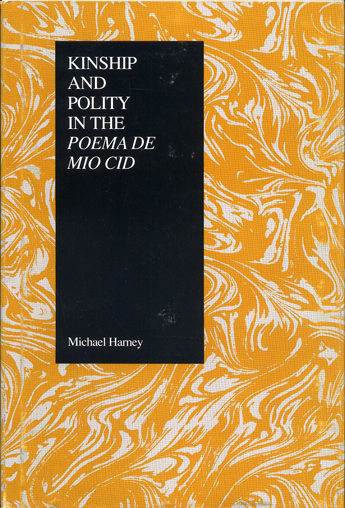
Kinship and Polity in the 'Poema de Mio Cid' ∥ Harney, Michael
-----------------------------------
ISBN13: 9781557530394
-----------------------------------
サイズ: 15.5 x 23.5 x 2.2 cm
-----------------------------------
頁 数: x+285 pgs.
-----------------------------------
装 丁: hard cover
-----------------------------------
出版社: Purdue University Press
-----------------------------------
発行年: 1993
-----------------------------------
発行地: West Lafayette
-----------------------------------
双書名: Purdue Studies in Romance Literatures, 2
追加情報: ※ 詳細PDFリンク
本書は、スペインでほぼ完全な形で現存する唯一の叙事詩『わがシッドの歌』(Poema de Mio Cid)を、親族関係と政治体制の観点から分析した研究書です。著者マイケル・ハーニー(Michael Harney)によれば、この作品の研究は長年、口承説と個人作者説の論争を軸に、定型表現の技法、叙事詩と歴史の関係、物語構造、他国文学の影響といった文体面の問題に集中してきました。本書は社会的心性を探ることで、作者と聴衆への理解を深めようとします。親族関係と政治体制が複雑に絡み合う様相からは、特定の社会階級の出現ではなく、階級的感性とそこから生じる矛盾が浮かび上がります。詩人と英雄は、個人の名誉と功績を称えながら集団の営みと願望も逆説的に讃え、迫りくる近代性を拒んで生きています。そこから、原初的なものに意図的に固執し、郷愁的で反動的ですらある聴衆像が導かれます。各章は、親族と血統の意味、擬制的親族としての友愛、結婚と持参金、政治体制の成立、恥・名誉・地位・社会的不平等の観念を扱い、主人公らの動機と意図を評価する手がかりを示します。書籍の言語:英語 (SBC: 124642)
[対象地域、年代、研究分野]
対象地域はスペイン(カスティーリャ)、年代は題材となった11世紀後半のシッドの時代と、作品が成立した12世紀末から13世紀初頭の中世、研究分野は中世スペイン文学、叙事詩研究、『わがシッドの歌』研究、中世の社会史・親族研究、名誉と社会的不平等をめぐる文化史です。中世スペイン文学や叙事詩を研究する文学研究者、およびカスティーリャ中世史・社会史を研究する歴史学者、親族・婚姻・名誉を扱う社会史や人類学の専門家を対象としています。
※ タイトルページ、目次、プロローグなどは「追加情報」のPDFをご参照下さい。
Description:
For decade, studies in the Poema de Mio Cid have concentrated on the oralist/individualist controversy, emphasizing such stylistic questions as formulaic technique, the relationship between the epic and history, narrative structure, and the influence of other national literatures.
Eploration of social mentalities facilitates a better understanding of the Spanish epic’s authorship and audience. The analysis of kinship and polity in their intricately related manifestations reveals the emergence not of a particular social class but rather of class sensibility and the contradictions deriving from it. Exalting personal honor and achivement whide paradoxically glorifying collective endeavor and aspiratios, the poet and his hero live in denial of encroaching modernity. From this we may deduce an audience willful in its primitivism and nostalgic, even reactionary, in its sympahies.
This study of the social content of the only Spanish epic surviving in more or less complete form provides a means of assessing the motives and intentions of the protagonist and of other characters. Cahpters are devoted to such themes as the significance of kinship and lineage: amity as a system of fictive kinship, personal honor, and public organization: the importance of women and the meaning and function of marriage, dowry, and related practices: the emergence of polity as the result of a rivalry of social, legal, and economic systems: and the implications, within an essentially kin-ordered world, of the poem’s notions of shame, honor, status, and social inequality.
CONTENTS:
List of Abbreviations......IX
Introduction......1
Chapter I. Kinship......17
Chapter II. Amity......55
Chapter III. Marriage......99
Chapter IV. Polity......151
Chapter V. Conclusion: Deference and Inequality......199
Notes......231
Bibliography......241
Index......267
-
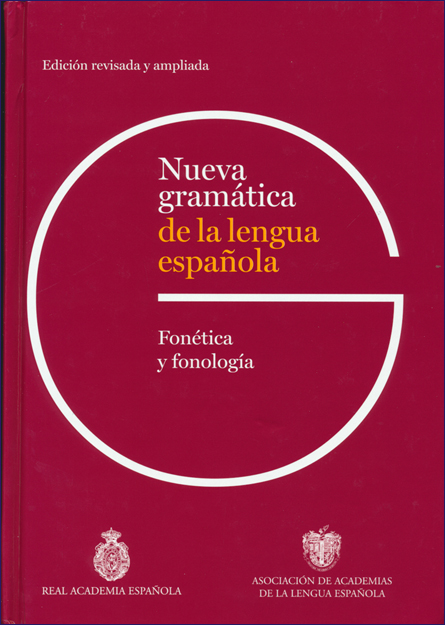
RAE(スペイン王立アカデミー)とASALE(スペイン語アカデミー協会)が共同編集した改定新版「アカデミア最新スペイン語文法」シリーズ(既刊3巻)。2025年10月に刊行された本書は、その第4巻(最終巻)です。 2011年版の 555頁から 新版は 700頁余と大幅に改訂増補 !!
※ スペイン語の音声を体系的に理解するための資料として、研究者、教育関係者、上級学習者に不可欠であり、大学図書館・研究室にも必須の一冊です。
※ 大幅な改訂と更新: 旧版以降に進んだ最新の研究成果、特に言語の「バリエーション」に関する知見を全面的に反映。技術の進歩を活用し、内容の理解を助けるための工夫が凝らされています。
※ 具体的な革新点: 知覚音声学への配慮、第1章の全面的な書き直し、イントネーションを扱う第10章の大幅な改訂、QRコードによる発音サンプルの導入、補足的な参考文献の追加など。- Nueva gramática de la lengua española: Fonética y fonologia ∥ R.A.E.
- ¥17,380
-

※ スペイン王立アカデミーとASALE(スペイン語アカデミー協会)が共同編纂した、スペイン語の語彙の歴史を包括的に記録する辞書。語源・形態・意味の変化を詳細に解説しています。
※ DHLE(スペイン語歴史辞典)プロジェクトは現代のデジタル技術と国際的な共同作業体制を駆使して進行中の画期的な取り組み。
※ 10巻本・合計2万ページ超となる今回の紙書籍版(印刷版)は本プロジェクトの記念碑的な出版物。図書館・研究室の重要資料として長期保存の価値が高い文献になります。今後の更新はデジタル版に移行する見込みで、今回の書籍版は将来入手困難になることが予想されます。
※ 全10巻のうち、第1~3巻は現在では入手困難な1960年~1996年版(a-apasanca、b-bajoca)の復刻版です。過去の貴重な学術的成果であり、一次史料としての価値が高いものです。
※ 第4~10巻は2005年以降に進められたデジタル版DHLEから代表的な項目を抜粋して構成。
収録内容はスペイン語語彙史研究の最新成果を反映し厳選されています。- Diccionario histórico de la lengua española. in 10 vols. ∥ R.A.E.
- ¥175,780
-
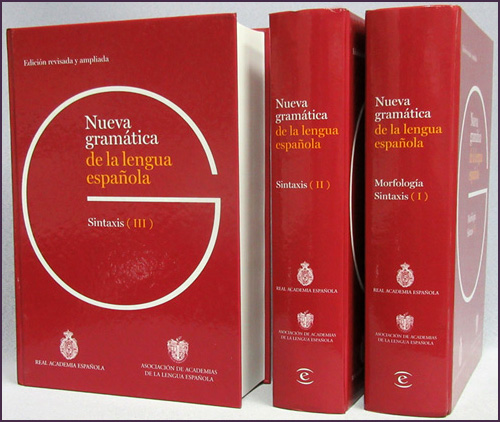
好評発売中!!
第2版 増補改訂版3巻本 「アカデミア最新スペイン語文法」。2009年に2巻本として出版されてから16年、さらに広く深く、スペイン語圏全体のスペイン語を総合的に扱うスペイン語文法書の決定版です!
本書はスペイン王立アカデミー(RAE)とASALE が共同で編纂した最新のスペイン語文法を、より精緻に再構成した改訂増補版であり、形態論から統語論に至るまで、スペイン語の構造を体系的かつ包括的に示す研究書です。従来版よりも内容説明が充実し、分析の明確化、現象の地理的・社会的分布に関する情報の拡充、さらに学習者・研究者双方に配慮した丁寧な解説が加えられています。全3巻・約5000頁に及ぶ大部の構成は、汎ヒスパニック的視点を重視し、スペイン語圏全体の多様性を踏まえた記述を特徴としています。記述文法と規範文法の両面を兼ね備え、学術研究・高度教育機関において必携の基礎資料となる一冊です。- Nueva gramática de la lengua española - Edicion revisada y ampliada in 3 vols. ∥ Real Academia Española
- ¥52,140